In this section I will reflect on my development within the different expertise areas. First I will give a short description of the expertise area, after which I will briefly reflect on my development over the past years. I will end with a reflection on how the expertise area is applied in my Final Bachelor Project.
Business & Entrepreneurship
The designs one creates should add value to what is already out there. This is what Business & Entrepreneurship is about. A design should be viable and have market potential. By studying competition and benchmarking your project one can find business opportunities. However, designers should also think about the future of the project. How do you ensure that the project generates revenue and do you need intellectual property to protect your designs. These are questions a designer must think about throughout the process.
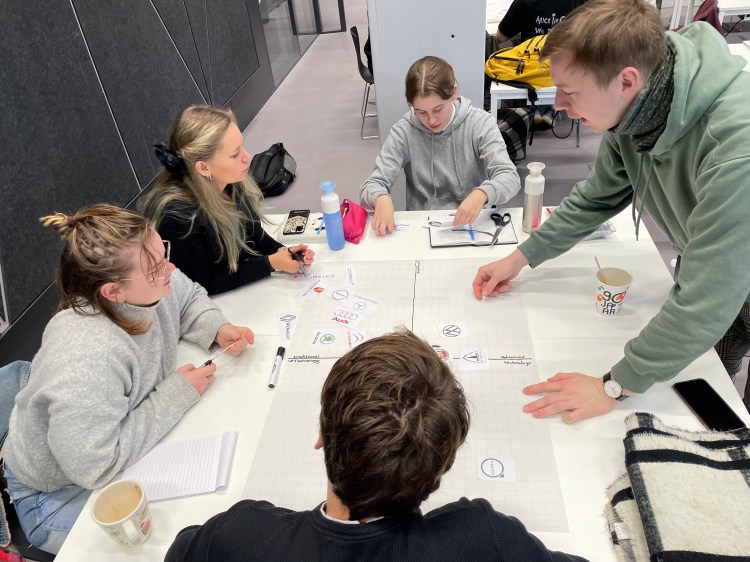
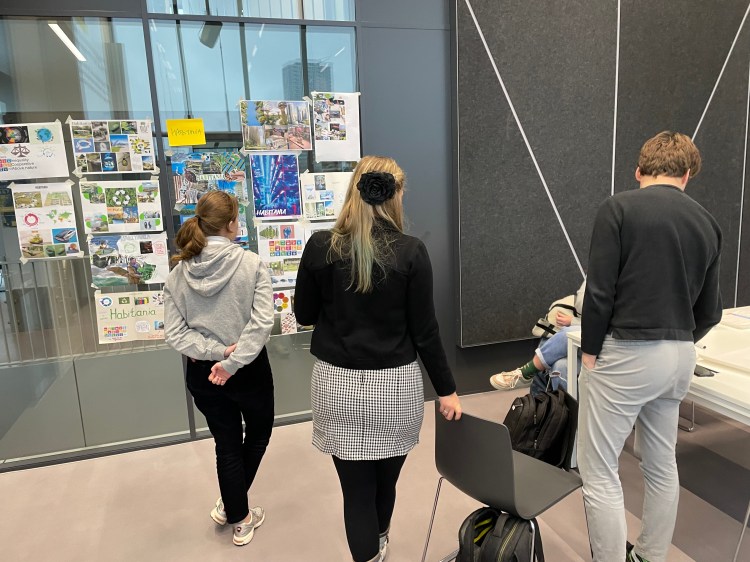
During my studies I have significantly developed myself in this expertise area. Starting with the course Introduction to Business, where I was introduced to the business model canvas. Trends and Forecasting was a course I enjoyed very much, as I learned how to analyse the past in order to foresee future business opportunities. Design Innovation Methods helped putting this knowledge into practice, by analyzing Duolingo. With my function as external relations manager I learned the importance of stakeholder management and developed myself professionally.
Extensive benchmarking was done during the final bachelor project. First I looked at previous projects on bereavement design. This was mainly done to gain inspiration and build on their key learning points. Later in the project I benchmarked existing tools and techniques used in grief therapy. This was done to get inspired, but also to understand what is already out there. The advantages and disadvantages of each tool became clear. This made it possible to find points of improvement, which I incorporated into my project. Finally after validating the concept with therapists some market limitations and opportunities became clear. This helped me reflect on my overall design and business opportunities.
Courses: Introduction to Business Design, Design Management, Trends and Forecasting, Design Innovation Methods

Trends and Forecasting
Creativity & Aesthetics
Creativity and aesthetics can be seen as using creative techniques, like brainstorming and bodystorming, to generate, select, and refine ideas. Working with both physical and digital materials, to aim for high aesthetic quality in both form and interaction. Benchmarking to get inspired and balancing intuition with knowledge-driven design decisions. Reflecting throughout the process on actions, to build the projects story.
Throughout my study I have developed my communication skills, using visuals to explain my ideas and concepts. The course Exploratory Sketching thought me how to create high-quality product and scenario sketches to visualize my ideas. Through this course I gained confidence in communicating my ideas and translating the concepts form thought to paper. Within Team IGNITE I got the freedom to develop myself and learn new things. So I decided to work on visual design tasks helping the communication cluster. I created some posters and information booklets, using the style guide of the team. At the end of the year I designed and created the team gift, a set of playing cards. These tasks helped me develop my graphical design skills, while I got introduced to new programs, like Adobe Illustrator & InDesign.
During my final bachelor project I made many scenario sketches. Not only to visualize the ideas for others, but also to better understand the ideas myself. I realized that creating those scenarios helps me translate the ideas from my mind to paper. This gives me insights into the applicability of the project, because I can better visualize the situation in which the artefact is used. Overall the project had to look aesthetically pleasing, but also had to have a pleasant interaction for the user. The icon pouches were therefore carefully created, in order to look like they were manufactured instead of hand made. To create a coherent look, the same material was used for the toolbox and scale.
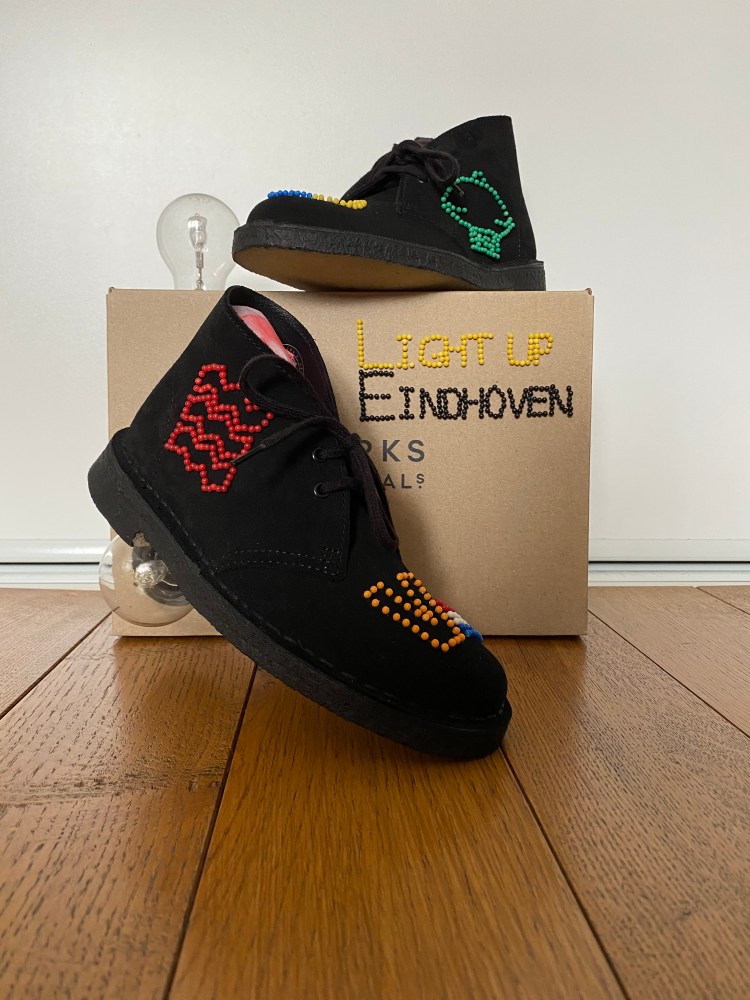
Courses: From Idea to Design, Exploratory Sketching, Aesthetics of Interaction, Digital Craftmanship, Design and Sensorial Form
Clarks Design Case 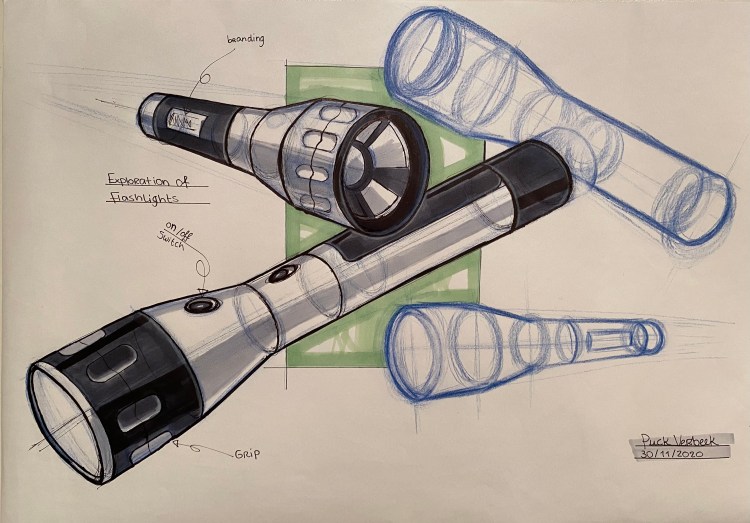
Exploratory Sketching 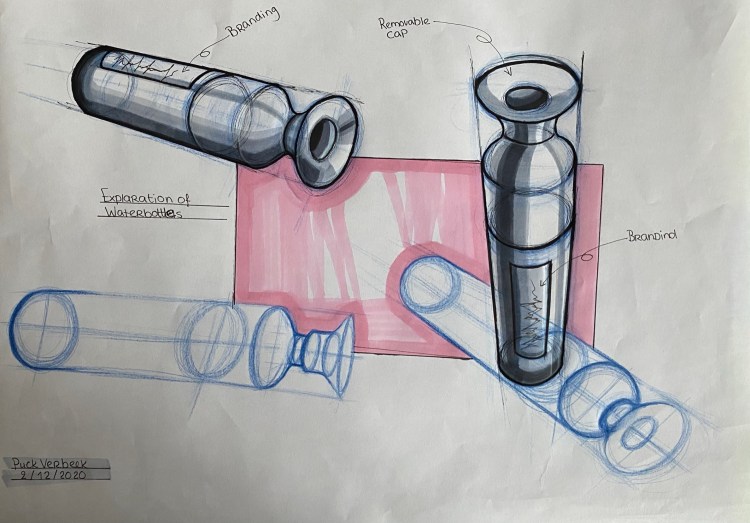
Exploratory Sketching 
Aesthetics of Interaction 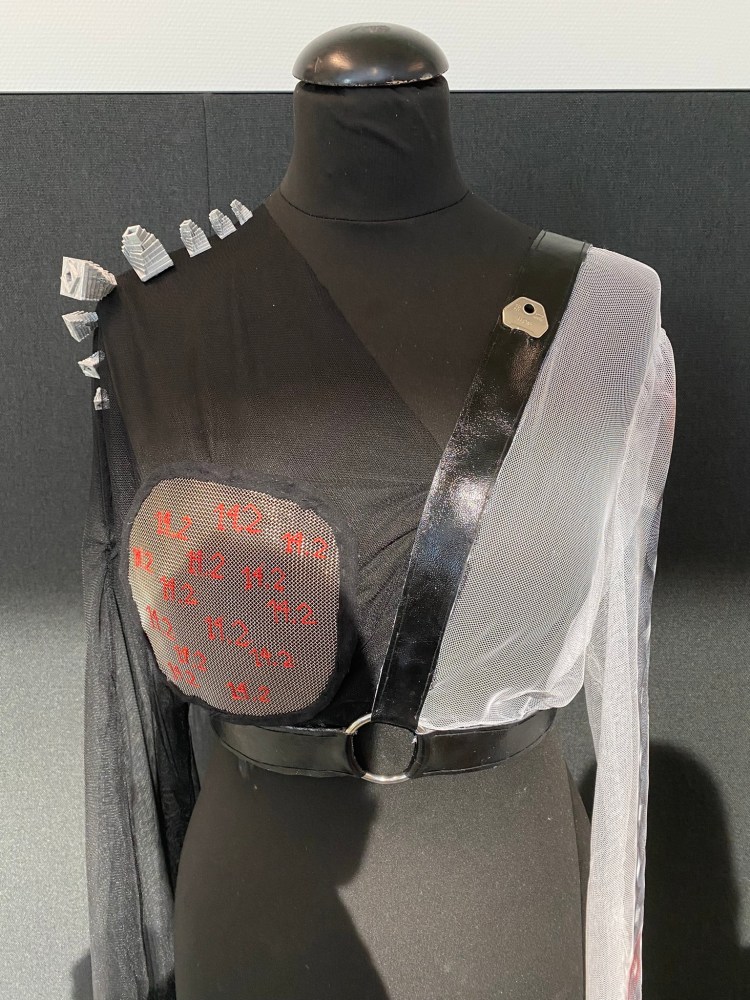
Digital Craftmanship 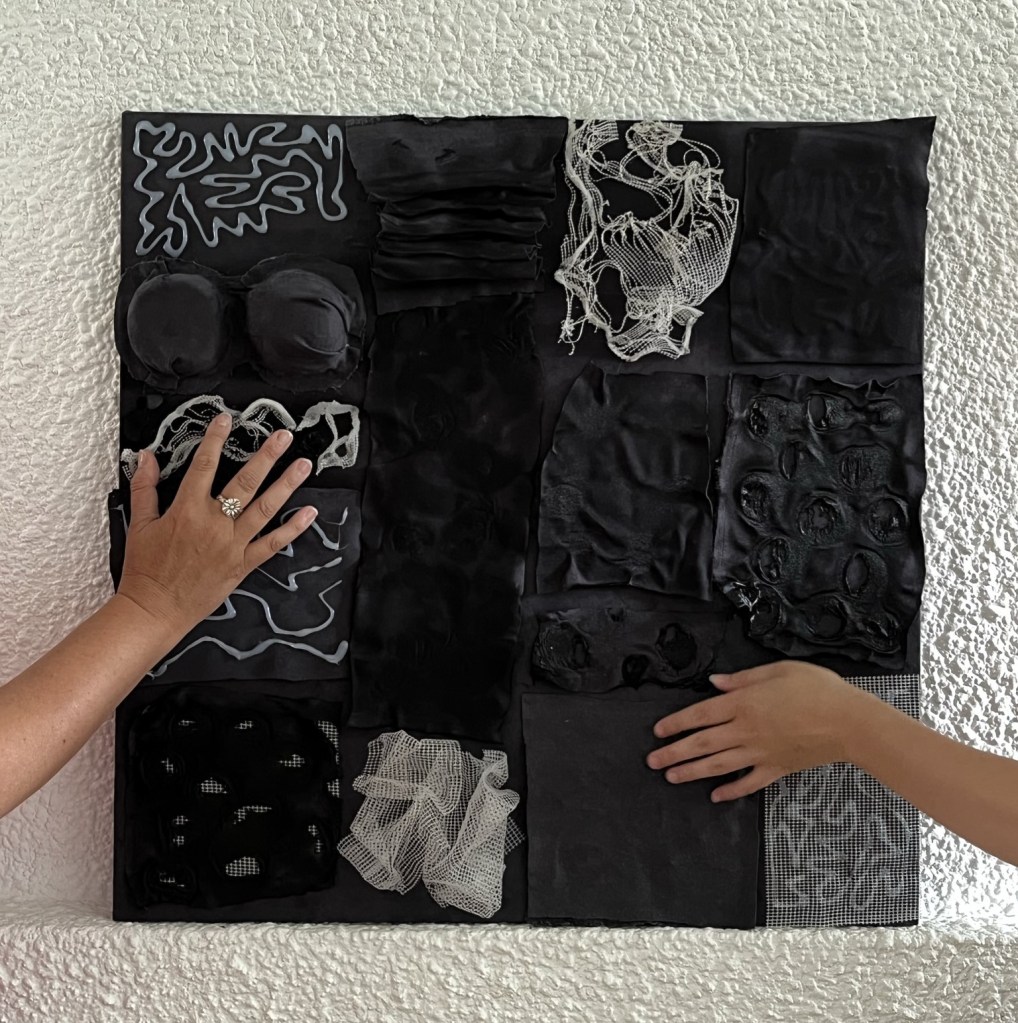
Design and Sensorial Form 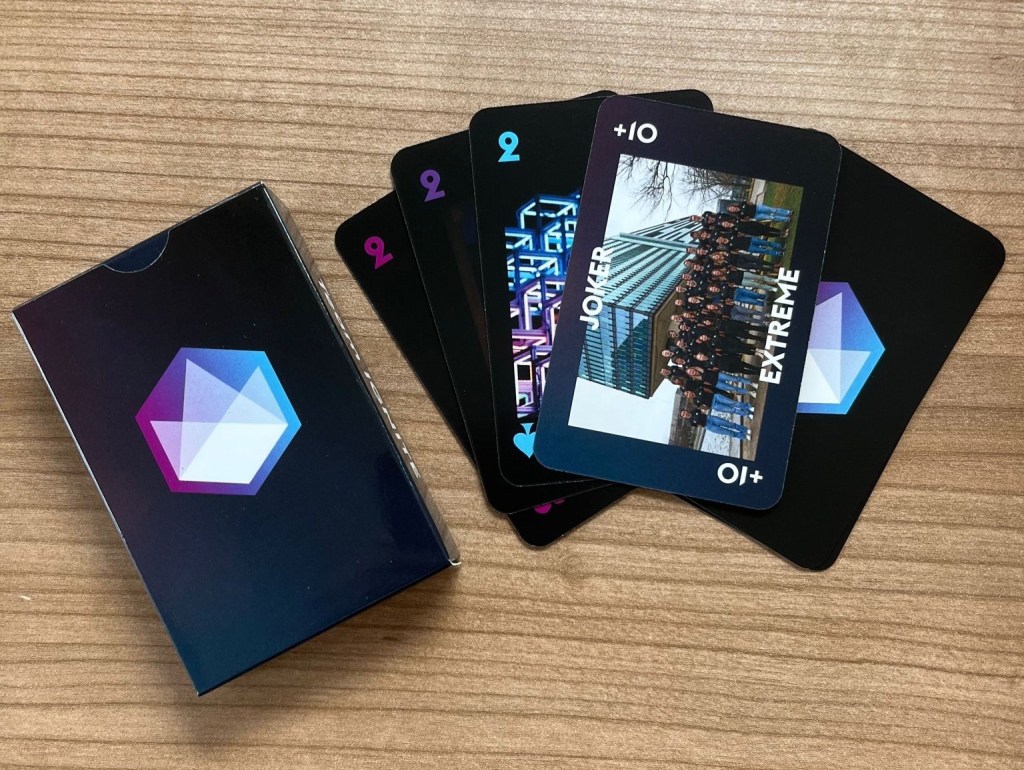
Playing Card 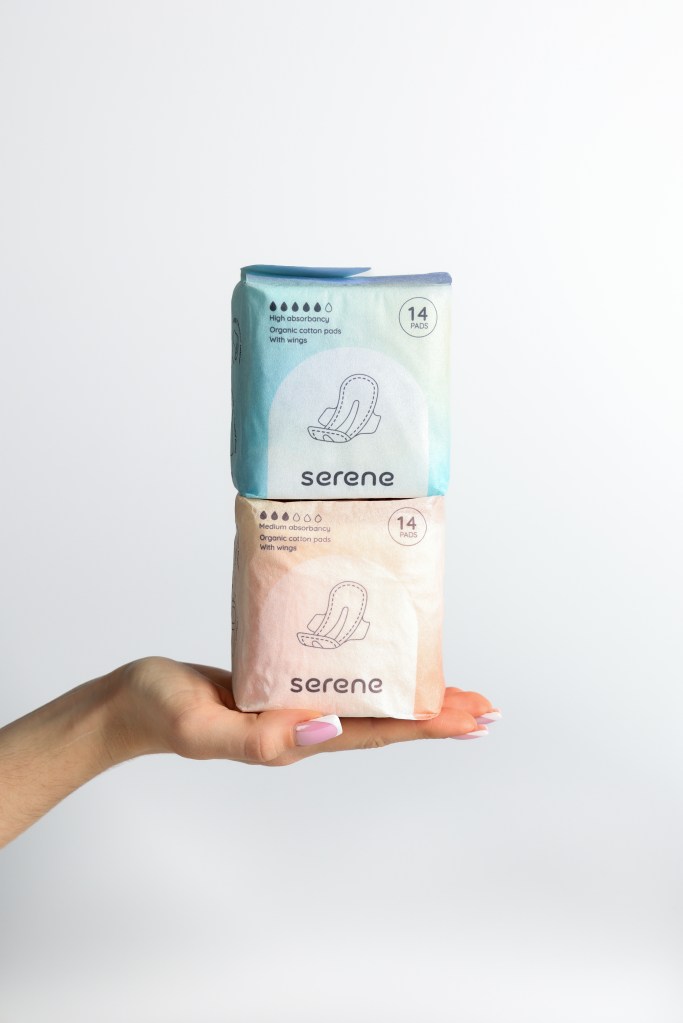
Pack-Age 
Origami Workshop 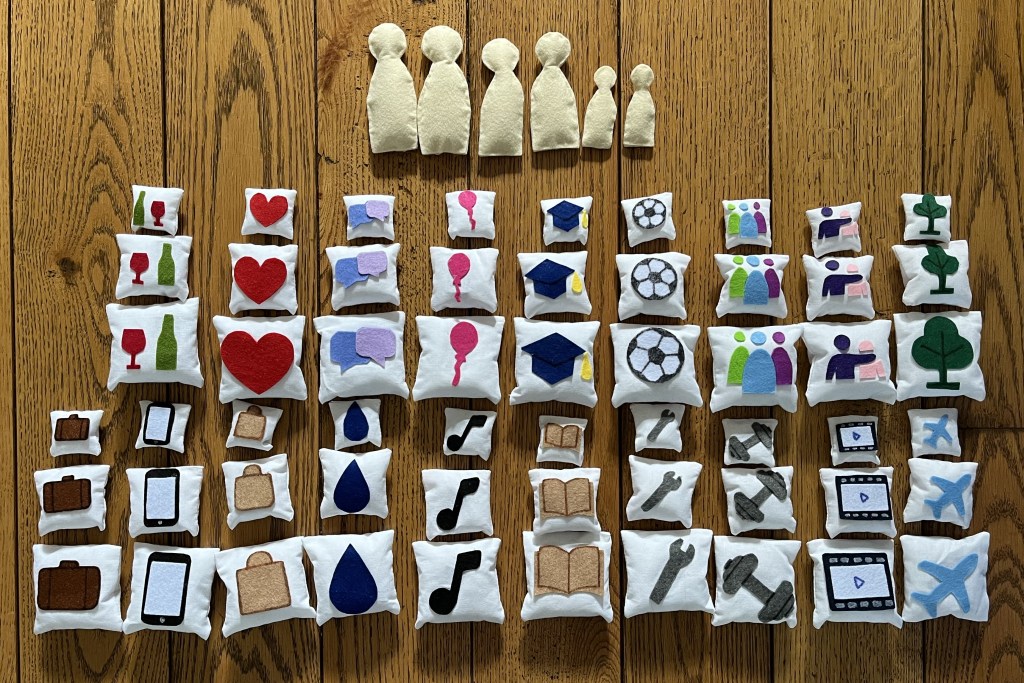
Icon Pouches
Math, Data & Computing
Math, Data & Computing has become more important over the years. As a designer one has to deal with large sets of data, derived from interviews and user tests. It is the designers task to translate the gathered data into valuable insights. By cleaning and organizing the data one can create meaningful visualizations, used to find patterns.
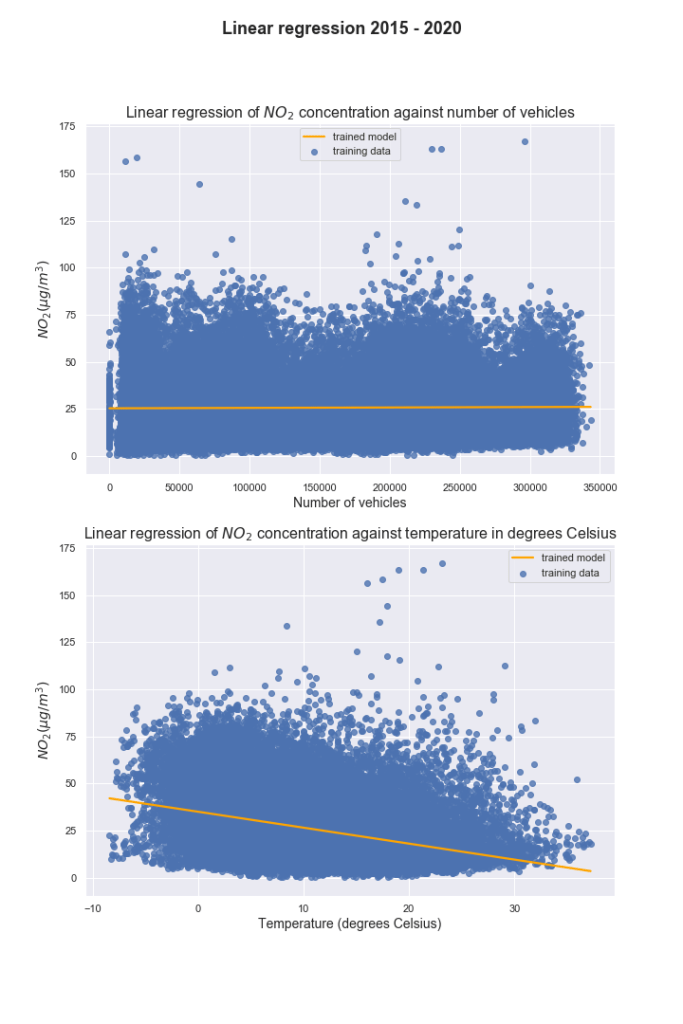
Through the course Data Analytics I learned the basics of statistics and Python. In the course Data Acquisition and Visualization through Embodied Sensors I got to further develop myself within this area. As I had to analyze real data sets gathered from the Eindhoven marathon. During the course Making Sense of Sensors I had to analyze my own data sets. This was more challenging as extensive data cleaning needed to be done.
During my FBP I analyzed the interviews with the therapists. However, since this was qualitative data no automated data analysis was done. I believe this expertise area is one that need to be developed more during my master. As I believe one could really benefit from more in depth analysis.
Courses: Calculus, Data Analytics, Data Acquisition and Visualization through Embodied Sensors, Making Sense of Sensors
Technology & Realization
As a designer one needs a basic understanding of sensors, electronic circuits, and actuators in order to communicate with engineers from different disciplines. This knowledge is also used by the designer to understand the engineers communication. However, the expertise area is not only about electronics. Being able to rapidly prototype your ideas, to explore and demonstrate them is also part of it. Realization is also about the ability to create high-fidelity prototypes using various machines and techniques.
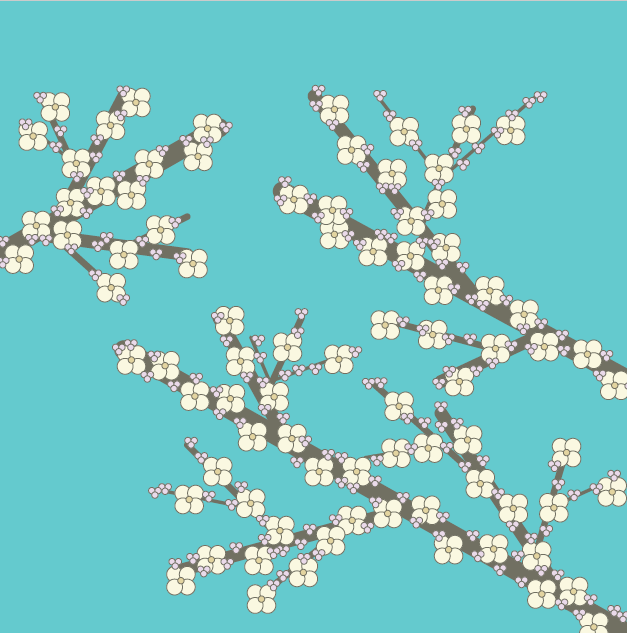
Following Creative Programming and Creative Electronics in my first year, helped me build a processing and electronics base. Throughout my studies I didn’t have a big focus on electronics, as I believe electronics should only be added to a project if they add value. Within Team IGNITE I helped with a side project, during which I got to refresh my electronica knowledge. And during the course Digital Craftmanship processing was used to generate patterns based on data sets. Overall more focus was laid on the realization part, as I learned how to work with various machines. From sowing and overlocking, to laser cutting, 3D printing, and heat pressing.
Throughout my final bachelor project I used of the laser cutter extensively. For my first iteration of the toolbox I created a very simple design structure. This structure was improved upon, to make the toolbox more sturdy. Drawers were later also added as an additional feature. The pouches were made with a sowing machine and the weight difference was made using balancing weights. For the toolbox, some basic, but new, electronics were used to automate the opening of the drawers. Solenoids were used to prevent the drawers from opening. A rubber band was used to create tension, which lead to a sliding drawer when the solenoid is no longer holding the drawer.
Courses: Creative Programming, Applied Physics, Creative Electronics, Engineering Design
Creative Programming 
Creative Electronics 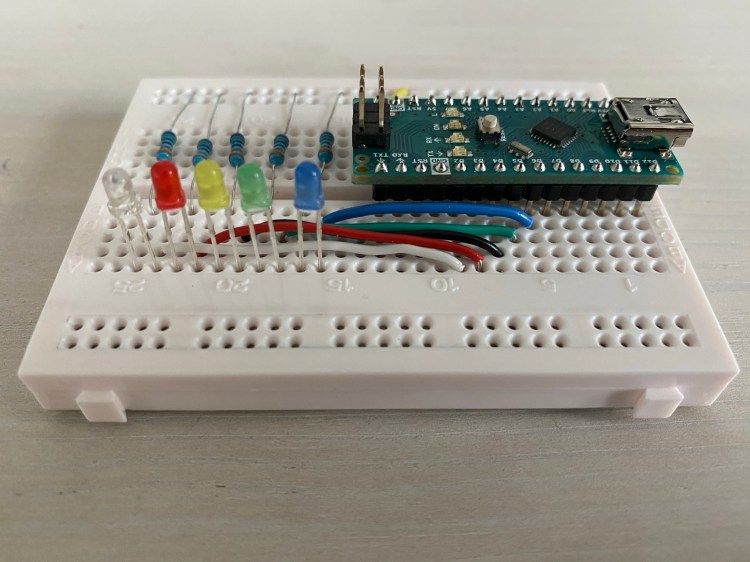
Creative Programming 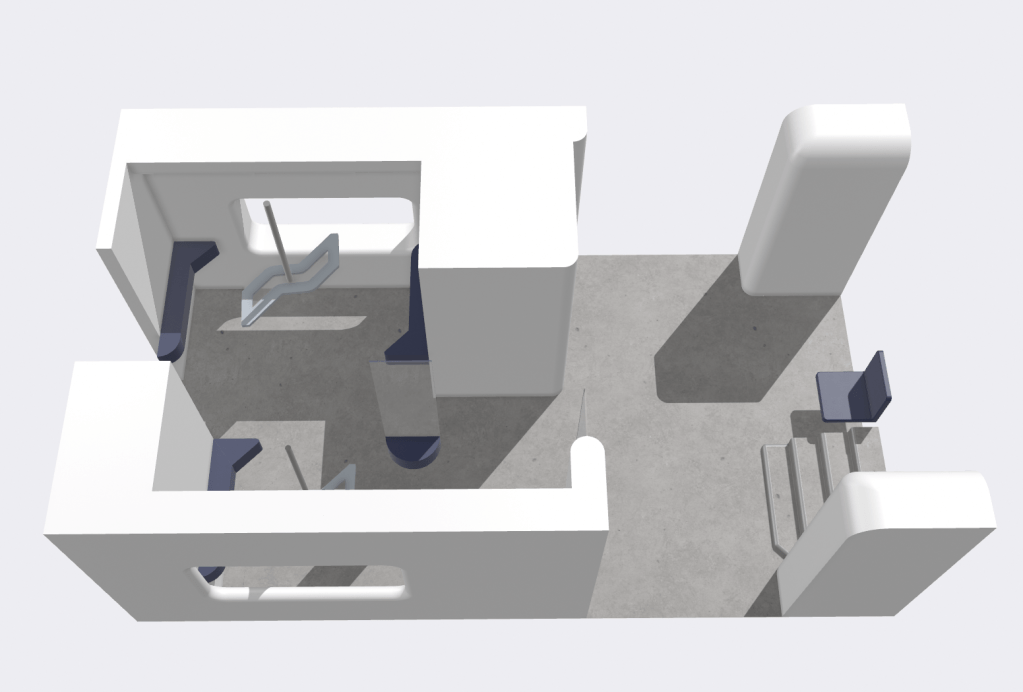
3D for Project 3 
Engineering Design 
Making Sense of Sensors 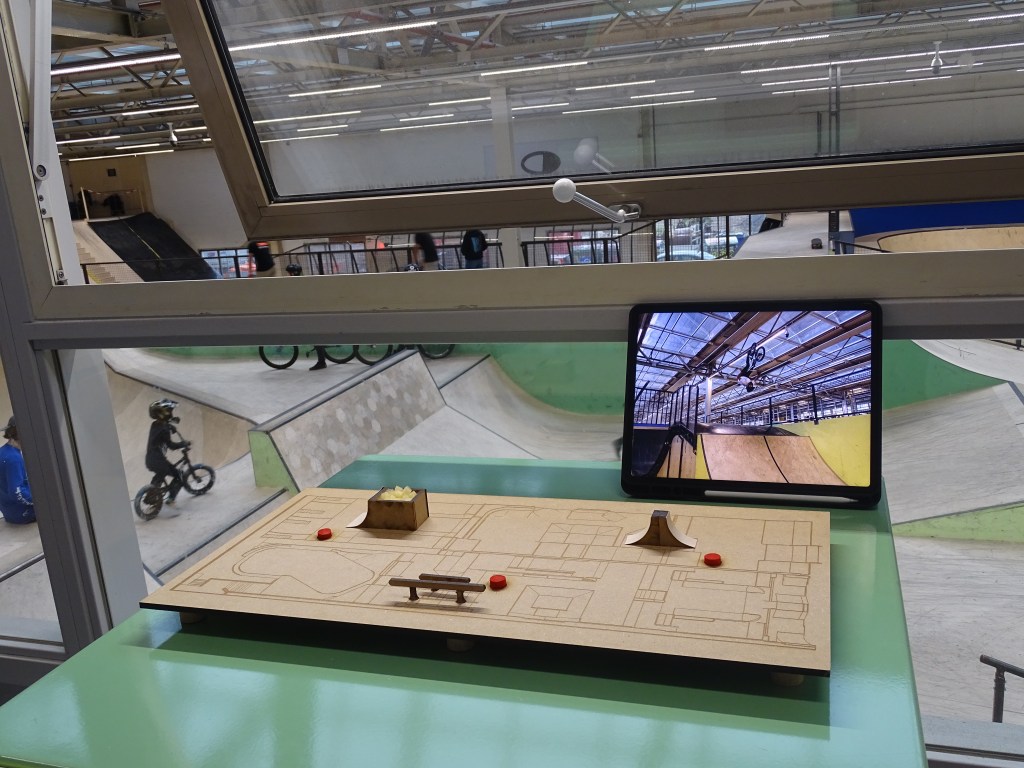
Designing for PSV 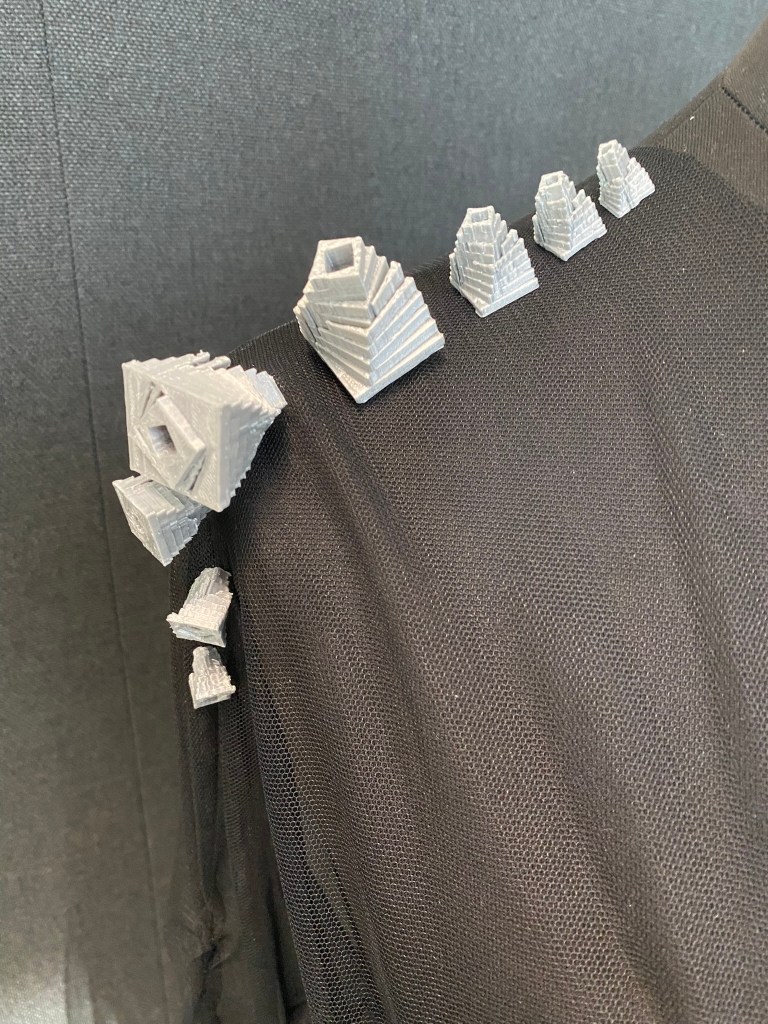
Digital Craftmanship 
Team IGNITE 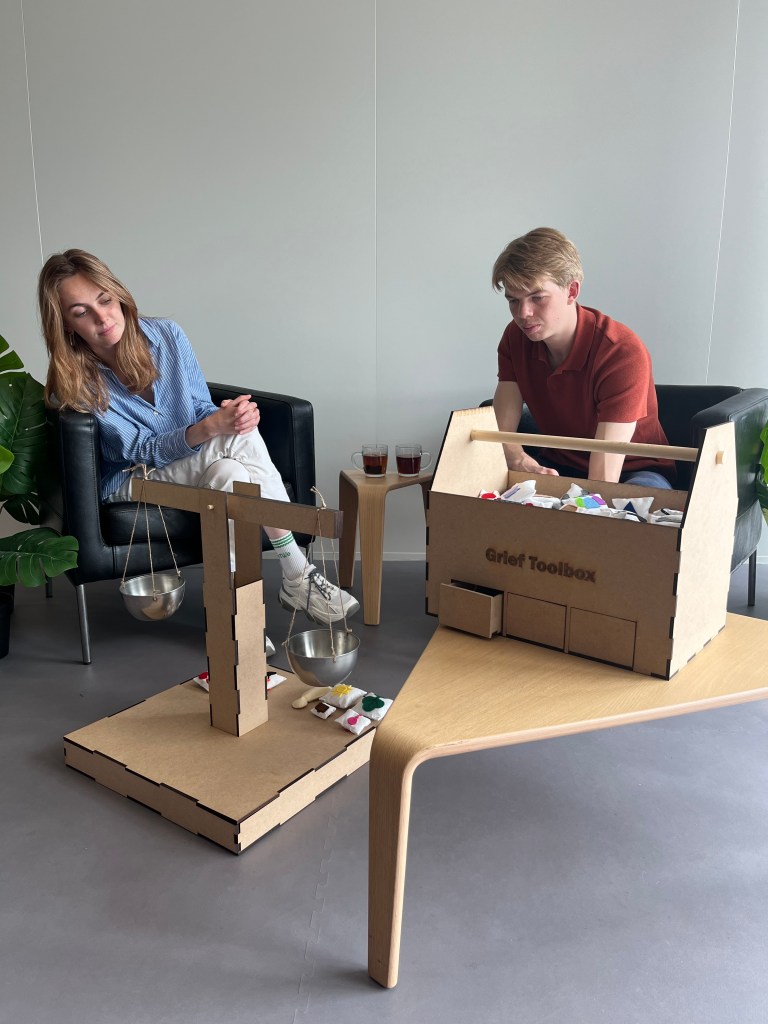
Drawer opening FBP 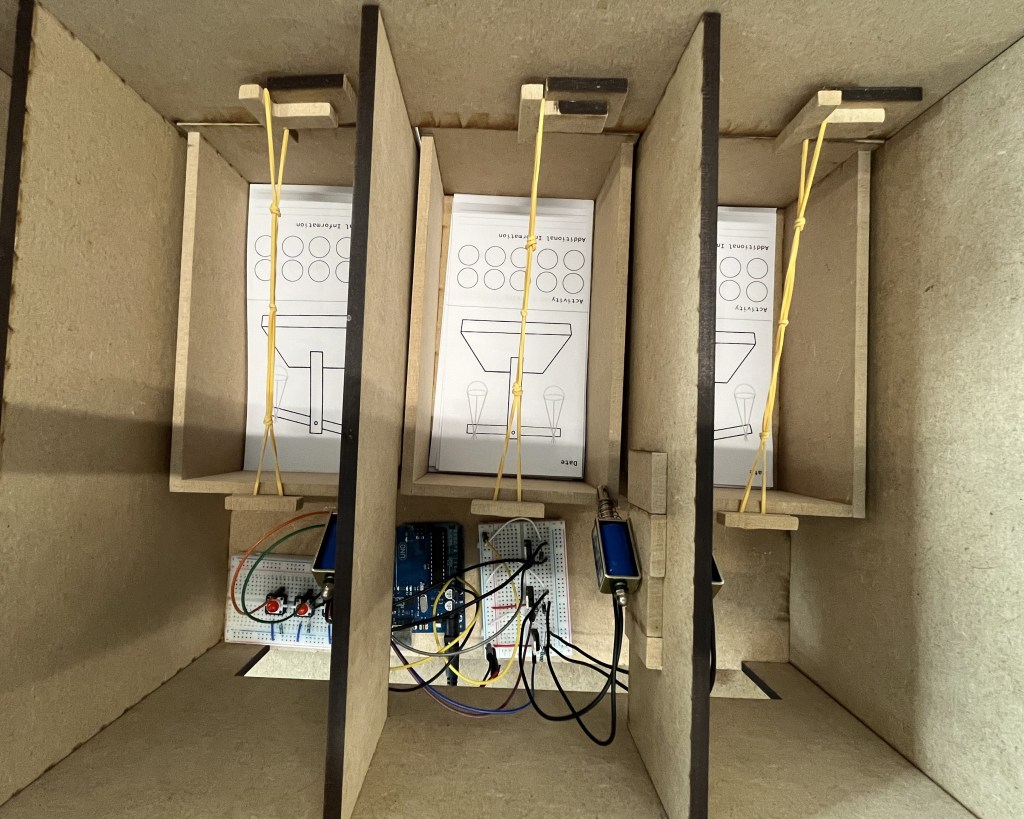
Electronics Grief Toolbox
User & Society
This expertise area is about creating value for the user and creating impact. Designers should have a basic understanding of psychology and sociology to understand its users. Involving them throughout the design process to gather insights and validate your concepts, with the use of both quantitative and qualitative research methods.
User Centered Design introduced me to different user evaluation methods, like interviewing and surveys. However, most development in this expertise area was gained during the projects. Here one had to recruit participants, set up a test, guide the participants, and then evaluate the outcomes. I believe practicing and executing loads of interviews, helped me become confident within this area.
Throughout my FBP I have had multiple meetings to gather knowledge and feedback from therapists and professionals to better understand current practices and their pain points. To validate my final concept I used a new user evaluation method, the co-constructing stories method. This method was used to first better understand the therapists current practice. This was followed by sketching the scenario of my concept, after which the therapist could provide their first feedback. Then the therapist was showed the actual toolbox and scale to interact with. The therapist then gave feedback about the artefact and the usability of the tool. For me user input is very important, as they are the ones that will interact with my product or service. Validating its usability is therefore a key factor in my design processes.
Courses: User Centered Design, Introduction to PSV, Design for Debate

Project 1 
Design Choreography 
Design Choreography 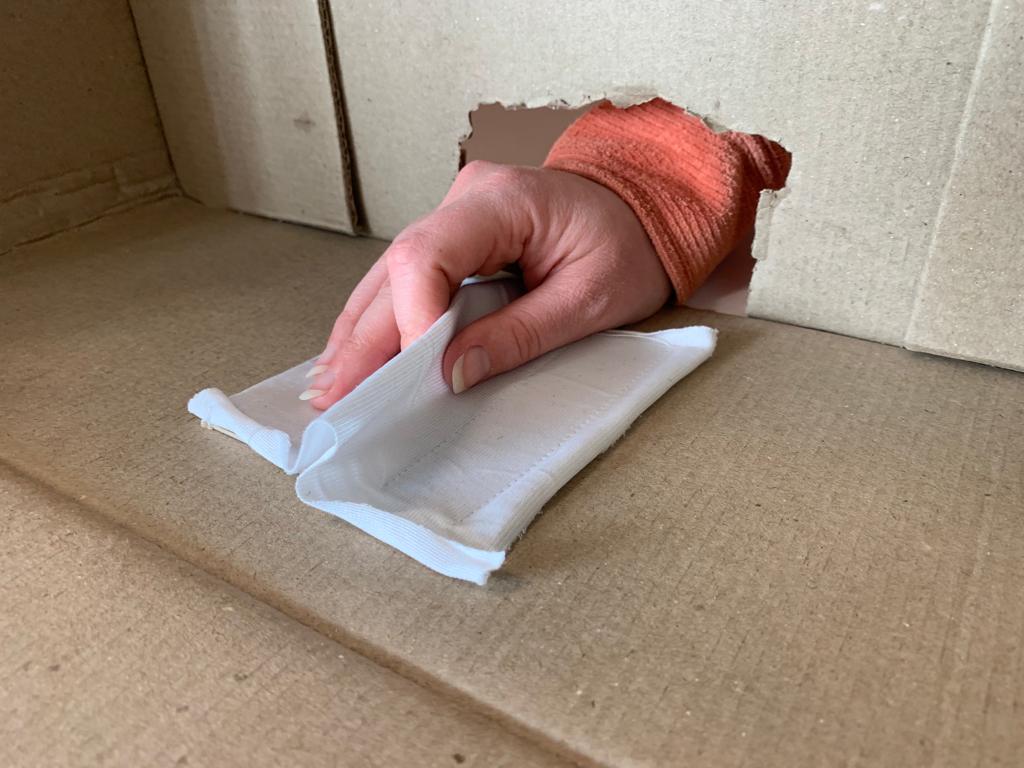
Project 3 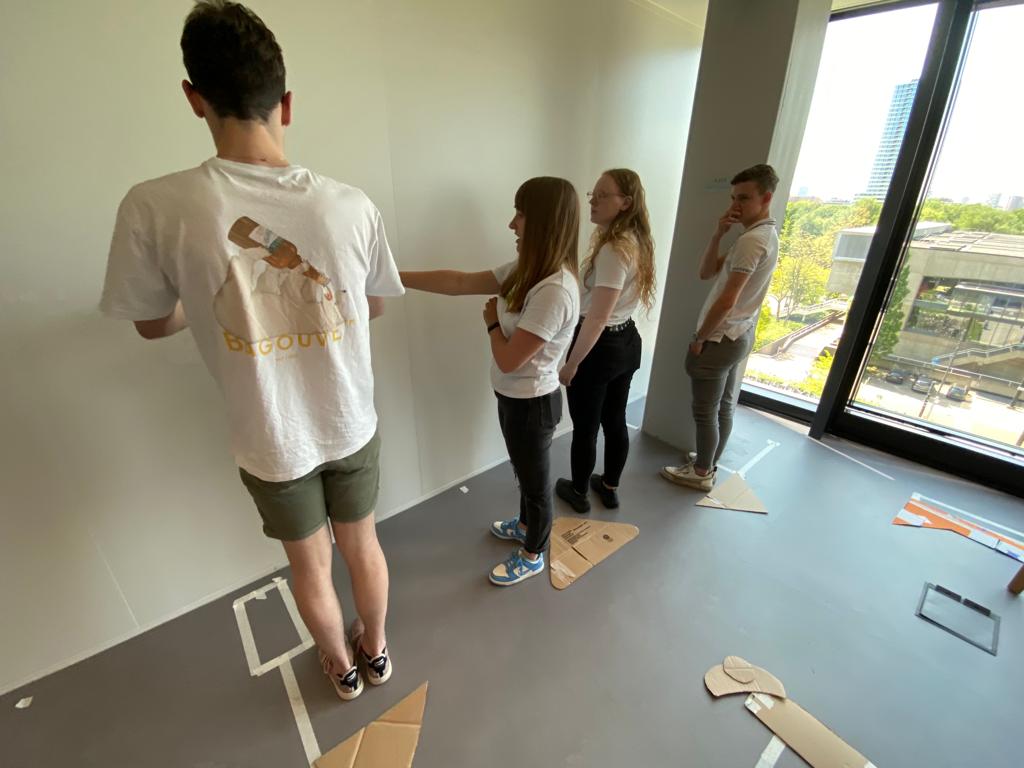
Project 3 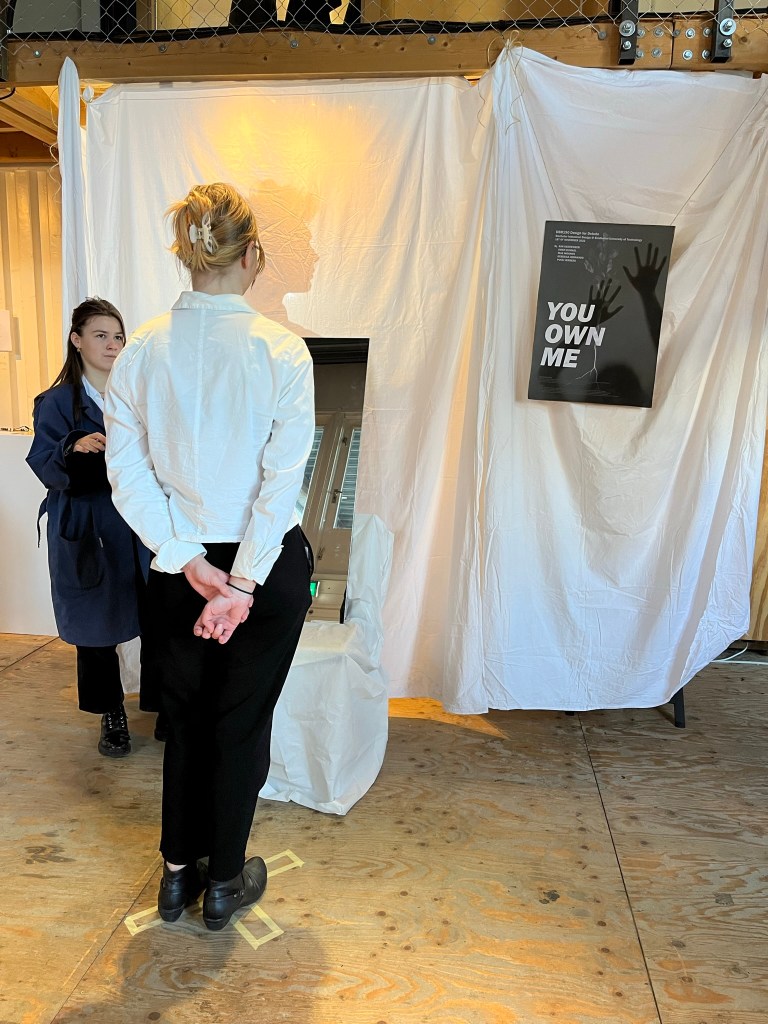
Design for Debate 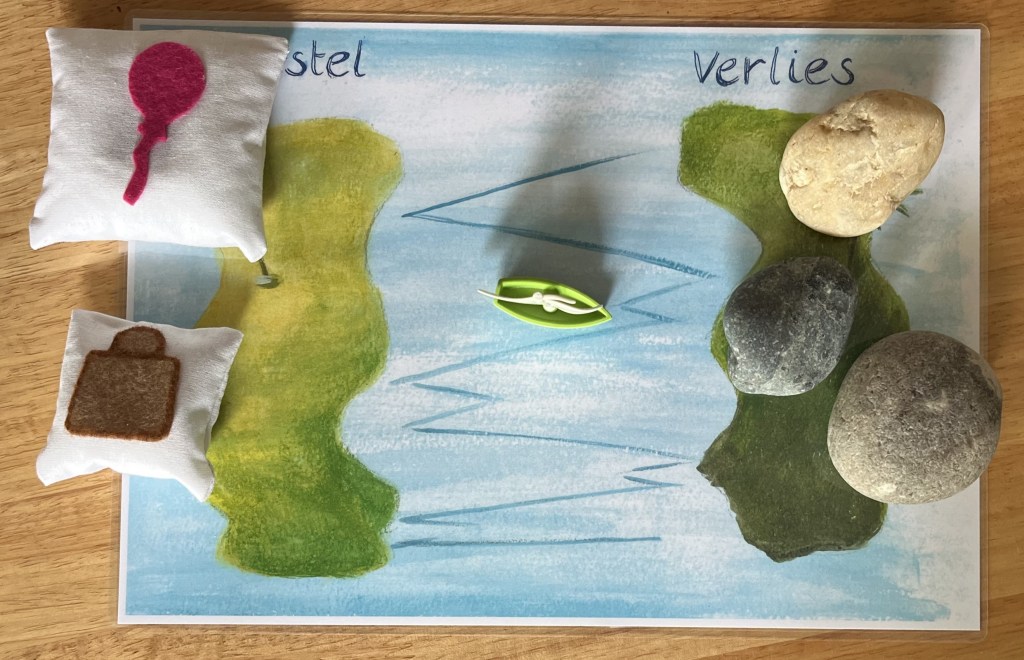
Case Study FBP 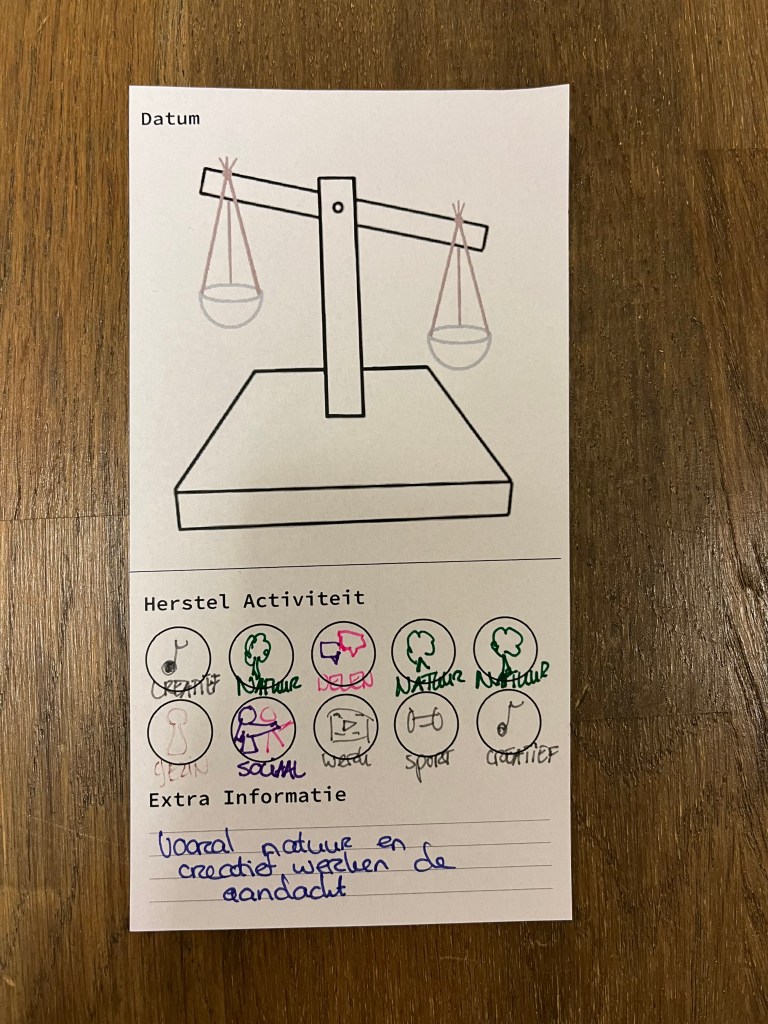
Case Study FBP 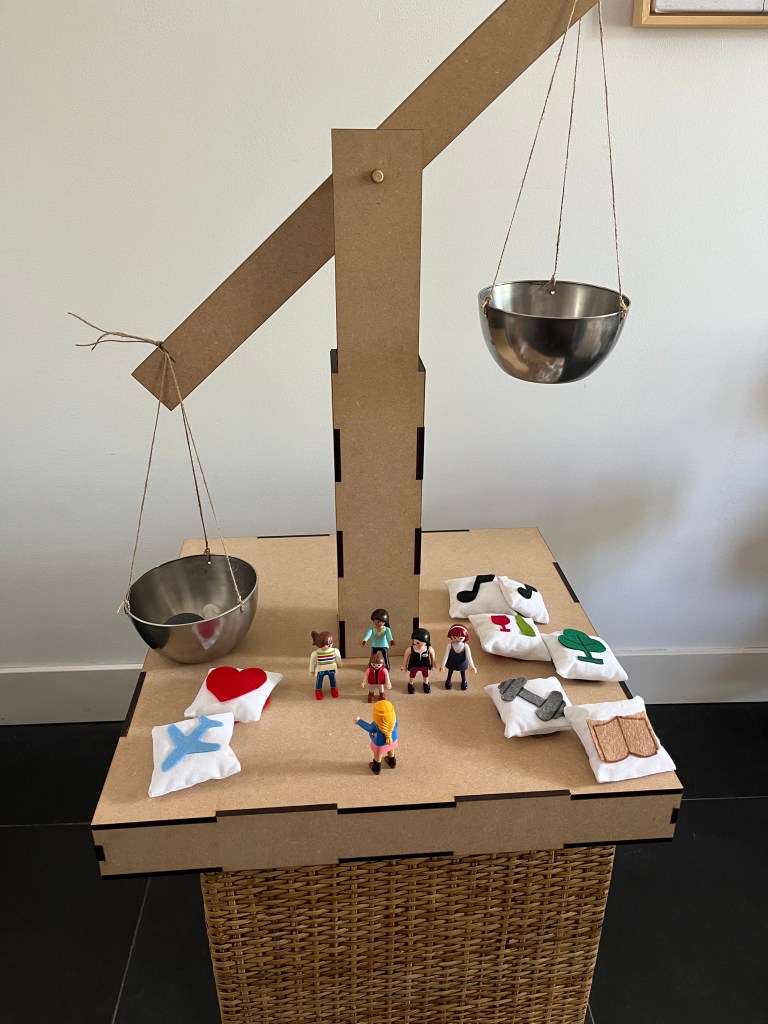
Case Study FBP
Design and research process & Professional Skills
Throughout the design process, research guides and inspires me. This helps me explore, and validate my design decisions at every iteration. This approach ensures that all decisions are well-founded and objective, while also helping me in presenting and leading the design process. I will continue combining design with research to support my work in the future.
Courses: Project 1, Project 2, Design Research, Project 3, Designing for PSV, Pack-Age minor, Final Bachelor Project
 Puck Verbeek